Event date: January 6–9, 2026 | Category: Consumer Technology
Foldable Phones Take a Leap Forward
Samsung used its CES booth to preview creaseless foldable display technology, showing it side by side with a current-generation device to make the visual difference unmistakable, widely read as an early look at what is coming to a future Galaxy Z Fold. The company’s Galaxy Z TriFold, which had already launched in select markets, also had its first major public showing, featuring a 6.5-inch cover display, a roughly 10-inch unfolded display, support for three simultaneous open apps, and a 200-megapixel main camera.
Humanoid Robots Steal the Spotlight
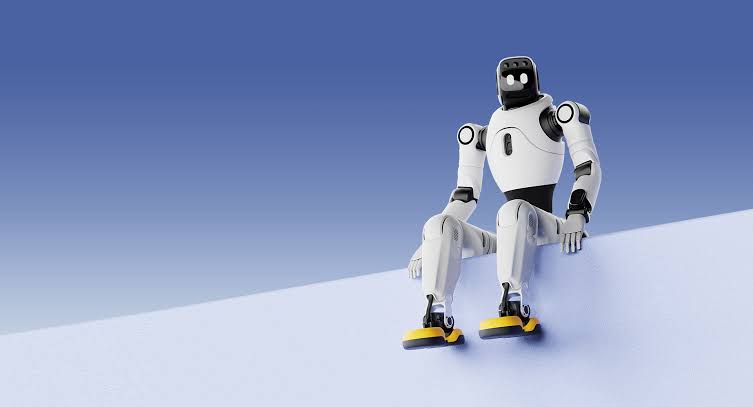
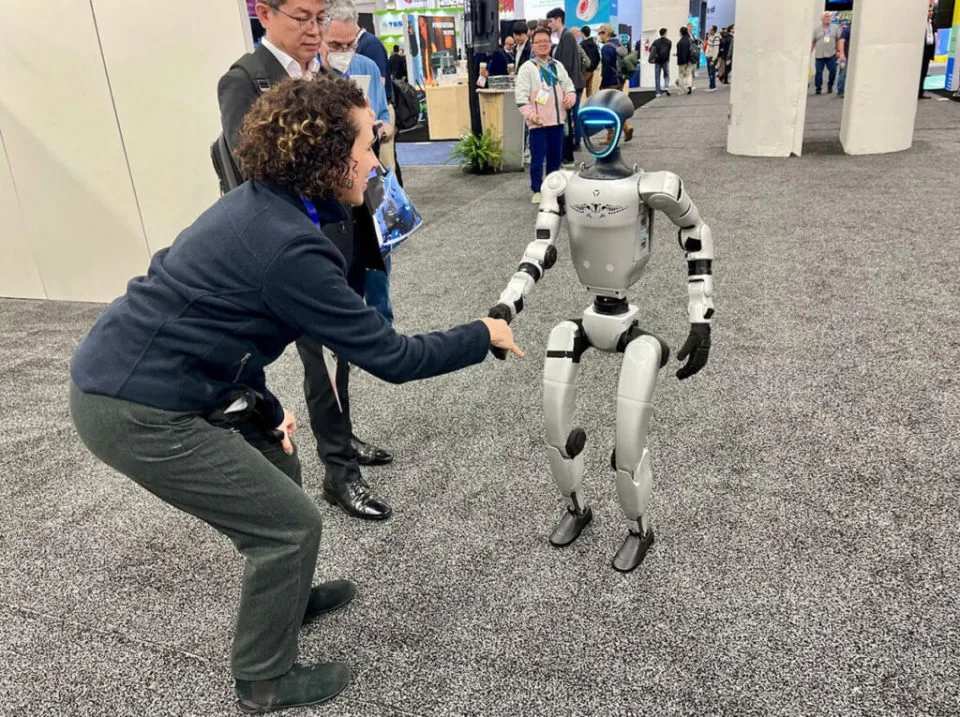
Humanoid robots had what many attendees called their first real moment at CES. Chinese robotics company Agibot brought its A2 and X2 robots to the show floor, demonstrating movement learned from video, including dance routines trained on short-form video clips, with plans to bring the robots to the U.S. market later in the year. Robotic arms, AI-powered drones, and self-driving vehicle concepts filled out the rest of the physical-AI showcase across the Las Vegas Convention Center’s newly renovated halls.
What the Show Signals for 2026
Taken together, CES 2026 reinforced a theme that carried through the rest of the first half of the year: AI is increasingly judged not by chatbot demos but by how convincingly it shows up in physical products, from the phone in your pocket to a robot on a showroom floor. For businesses tracking consumer technology trends, the practical signal is that AI-enabled hardware, not just AI-enabled software, is quickly becoming a mainstream purchase consideration, and marketing that leans only on software-era AI messaging risks feeling dated by the time this year’s hardware reaches shelves.