Event date: June 1, 2026 | Category: AI Infrastructure, Global Capital Flows
Why France, Why Now
For Europe, the project is being read as a way to strengthen regional AI capacity while reducing reliance on U.S. cloud infrastructure, a priority that has taken on new urgency as AI computing needs are increasingly treated as a matter of national and regional strategic interest rather than pure commercial infrastructure.
The Bigger Pattern: AI Investment Becomes Energy Investment
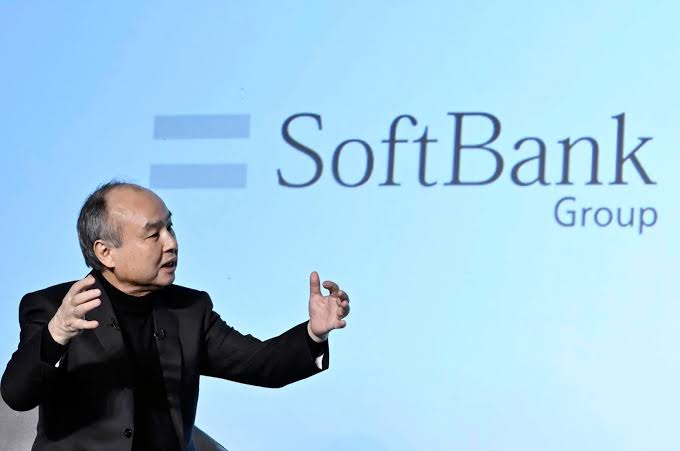
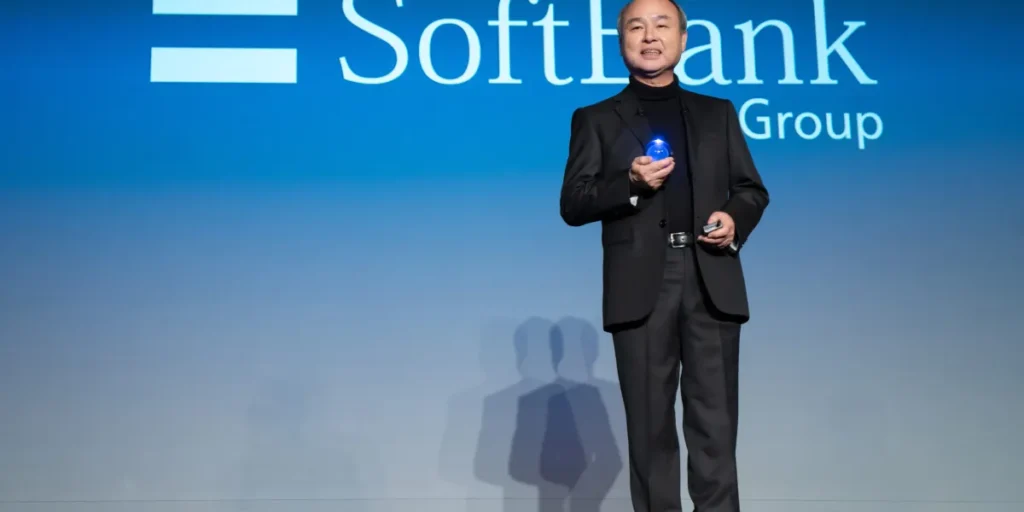
The SoftBank commitment is part of a broader shift playing out across 2026: AI competition is increasingly being decided by access to power, land, and grid connections rather than by model architecture alone. Similar dynamics are visible in the United States, where utilities and infrastructure investors have themselves become direct financial participants in AI buildouts rather than passive suppliers to them.
What It Means for Global Business Leaders
For companies operating internationally, the SoftBank-France deal is a reminder that the AI infrastructure map is being redrawn along geopolitical lines, not just technological ones. Where compute gets built, and who controls it, is increasingly shaped by sovereign investment decisions, and businesses planning multi-year technology roadmaps should factor regional infrastructure availability, not just vendor relationships, into how they think about long-term AI capacity.