Event date: March 24, 2026 | Category: Semiconductors, AI Infrastructure
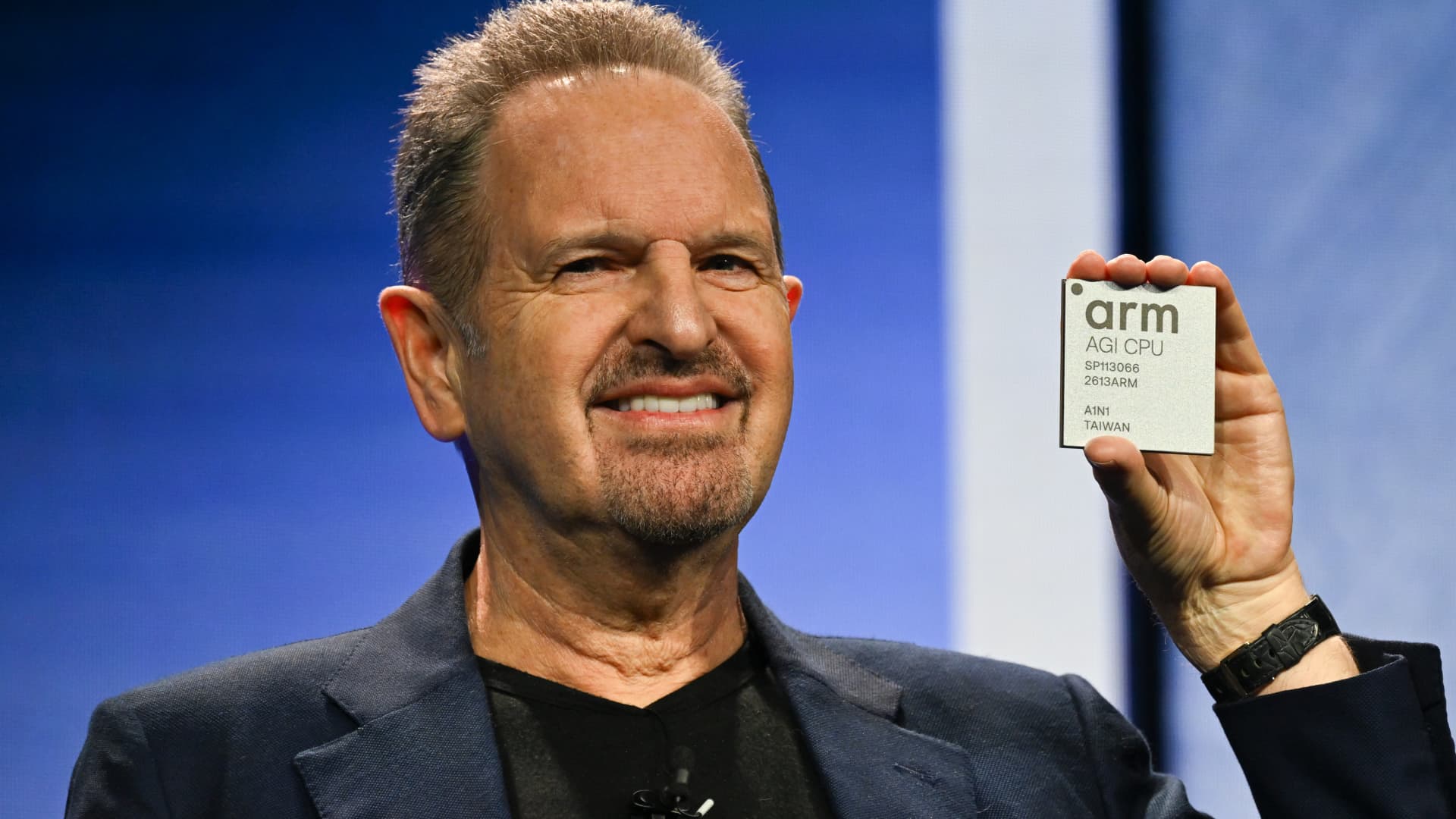
From Licensing Blueprints to Shipping Silicon
Meta co-developed the chip and is its lead customer, integrating the AGI CPU with its own custom AI accelerators as part of a broader push toward vertical integration in its AI stack. Additional launch partners lined up quickly, including OpenAI, Cloudflare, Cerebras, SAP, SK Telecom, F5, Positron, and Rebellions. Wall Street’s initial reaction was muted on the day of the announcement itself, but Arm’s stock surged more than 17% the following day, adding roughly $20 billion to its market capitalization as investors recognized the revenue-diversification potential of moving from royalties into direct chip sales.
The Competitive Landscape
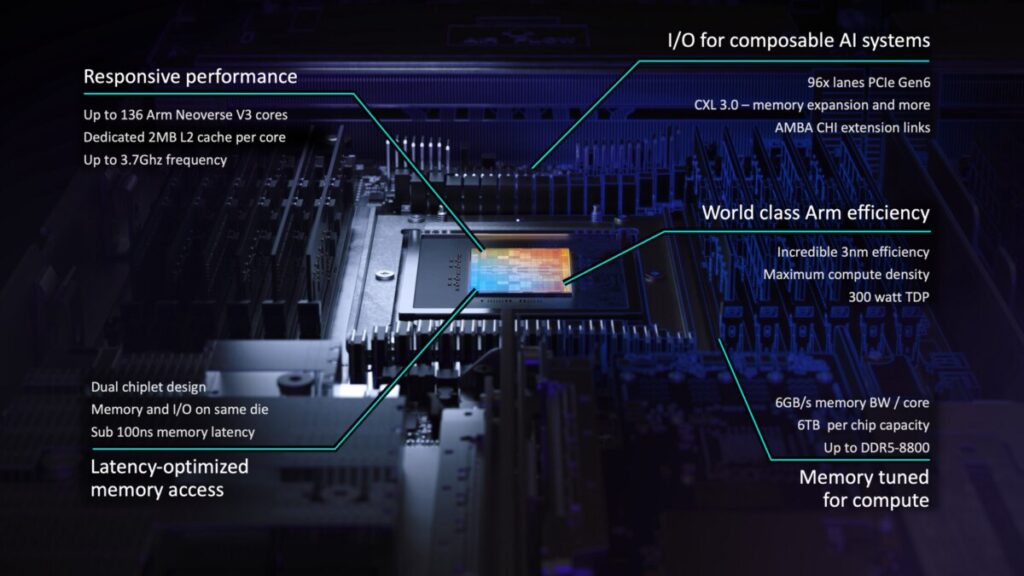
The timing put Arm squarely into a server CPU market that analysts describe as more broadly contested than it has been in two decades, with Nvidia’s Vera CPU, AMD’s upcoming EPYC Venice, and Intel’s Clearwater Forest all competing for the same AI data center sockets. Arm’s pitch centers on core density and power efficiency: its reference rack configuration supports thousands more cores than a comparable x86 setup within the same power envelope, a meaningful advantage as electricity, not just silicon, becomes the binding constraint on AI infrastructure buildouts.
Why This Matters Beyond Semiconductors
Arm’s pivot is a signal worth watching even for companies with no direct exposure to chip manufacturing. When the industry’s most influential IP licensor decides the economics of AI infrastructure are compelling enough to become a direct silicon competitor, and does so with backing from Meta, OpenAI, and half a dozen other major players, it is a strong indicator of just how much structural demand is being built into the AI compute supply chain over the next several years.