Event date: June 12, 2026 | Category: Capital Markets, Space & AI Infrastructure

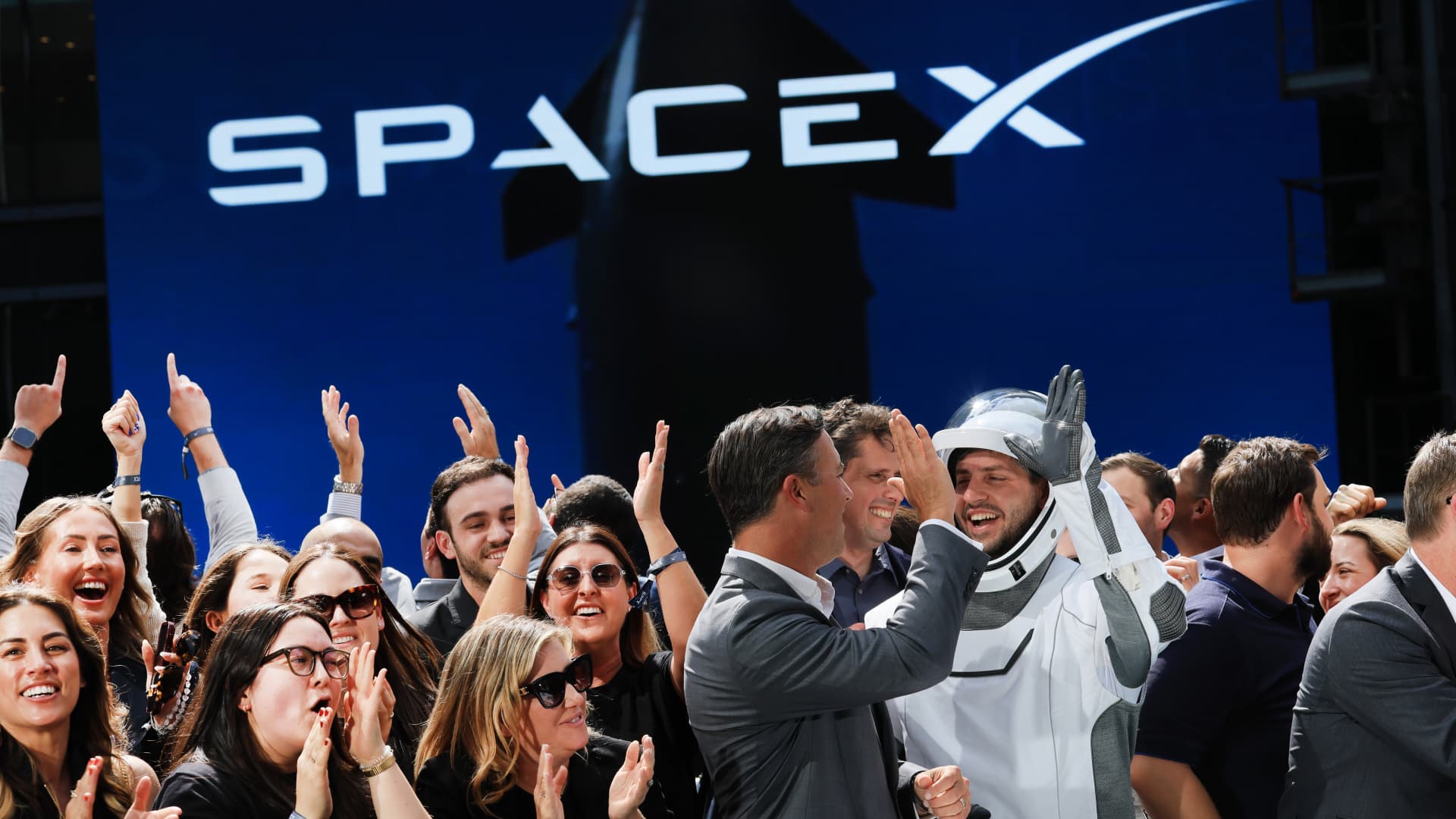
A Debut That Rewrote the Rulebook
Shares surged in the days that followed, and SpaceX’s market capitalization briefly pushed past Amazon’s and, for a moment, Microsoft’s, making it the fourth-largest company in the United States by valuation. It was a striking demonstration of how much investor appetite has shifted toward companies sitting at the intersection of space, satellites, and AI-scale infrastructure. The stock did cool off in the following weeks as early momentum gave way to more typical post-IPO volatility, a reminder that even historic debuts are not immune to normal market gravity.
Why Investors Piled In
SpaceX’s pitch to public markets combined two growth stories at once: a reusable-rocket launch business with no real competitor at scale, and Starlink, a satellite broadband network increasingly positioned as core communications infrastructure. Layer on top of that the market’s broader enthusiasm for anything adjacent to AI-scale compute, satellites included, and it is easy to see why demand for shares outstripped supply many times over.
What It Means Going Forward
The SpaceX listing did more than mint one company’s valuation, it reset expectations for what a 2026 mega-IPO looks like, and it opened the door for other closely watched private companies, including OpenAI and Anthropic, to be discussed as future listing candidates. For businesses watching from the outside, the lesson is less about rockets and more about capital flows: when a single offering can raise tens of billions of dollars in a day, it signals just how much investor capital is actively searching for exposure to AI-linked infrastructure, and how quickly that capital can move markets, hiring, and even marketing budgets across an entire sector.